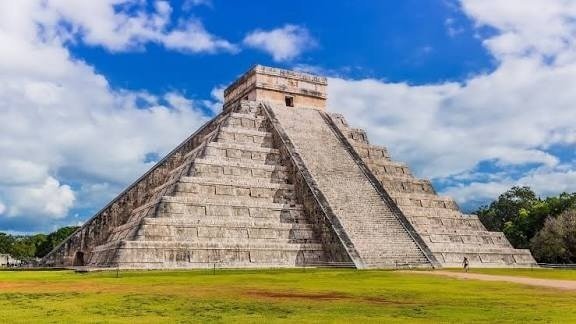
Mexico City – Although cultural tourism in Mexico reached historic numbers in 2025, not all archaeological zones benefited equally. Official data reveals that Chichén Itzá consolidated its position as the country’s most visited archaeological jewel, while Tulum fell far behind, with a difference exceeding one million visitors—a contrast that has not gone unnoticed.
According to figures from the National Institute of Anthropology and History (INAH), in 2025, Mexico’s archaeological zones and museums collectively received 21.4 million visitors, representing a growth of 9.1% compared to 2024. Archaeological zones alone recorded 9.9 million visitors, a marginal increase of 1.4%, reflecting sustained, though uneven, interest in these heritage sites.
In the ranking of the most visited archaeological zones, Chichén Itzá topped the list with 2.2 million tourists, followed by Teotihuacán, which, together with its on-site museum, reached 1.8 million visitors. Far below was Tulum, which barely surpassed 1.0 million visitors, despite its international fame and privileged location facing the Caribbean Sea.
The difference is striking: more than one million tourists separate Chichén Itzá from Tulum, a gap that raises uncomfortable questions. Specialists and tourism sector actors do not rule out that negative media campaigns, constant complaints about fees, overcrowding, social conflicts, and urban disorder have negatively impacted the perception of Quintana Roo’s archaeological destination.
This contrast occurs in a context where the federal Secretary of Tourism, Josefina Rodríguez Zamora, emphasized that the country’s historical and archaeological heritage is a key lever for regional development and so-called Shared Prosperity.
In a meeting with the Secretary of Culture, Claudia Curiel de Icaza, both agreed on the need to strengthen strategies that ensure heritage conservation and a sustainable tourism experience.
Meanwhile, the numbers make it clear that having an iconic site is not enough: narrative, management, and visitor experience play a decisive role. In Tulum’s case, the challenge appears to be less about its historical value—which is indisputable—and more about how the destination has been presented and managed to the world.
Discover more from Riviera Maya News & Events
Subscribe to get the latest posts sent to your email.