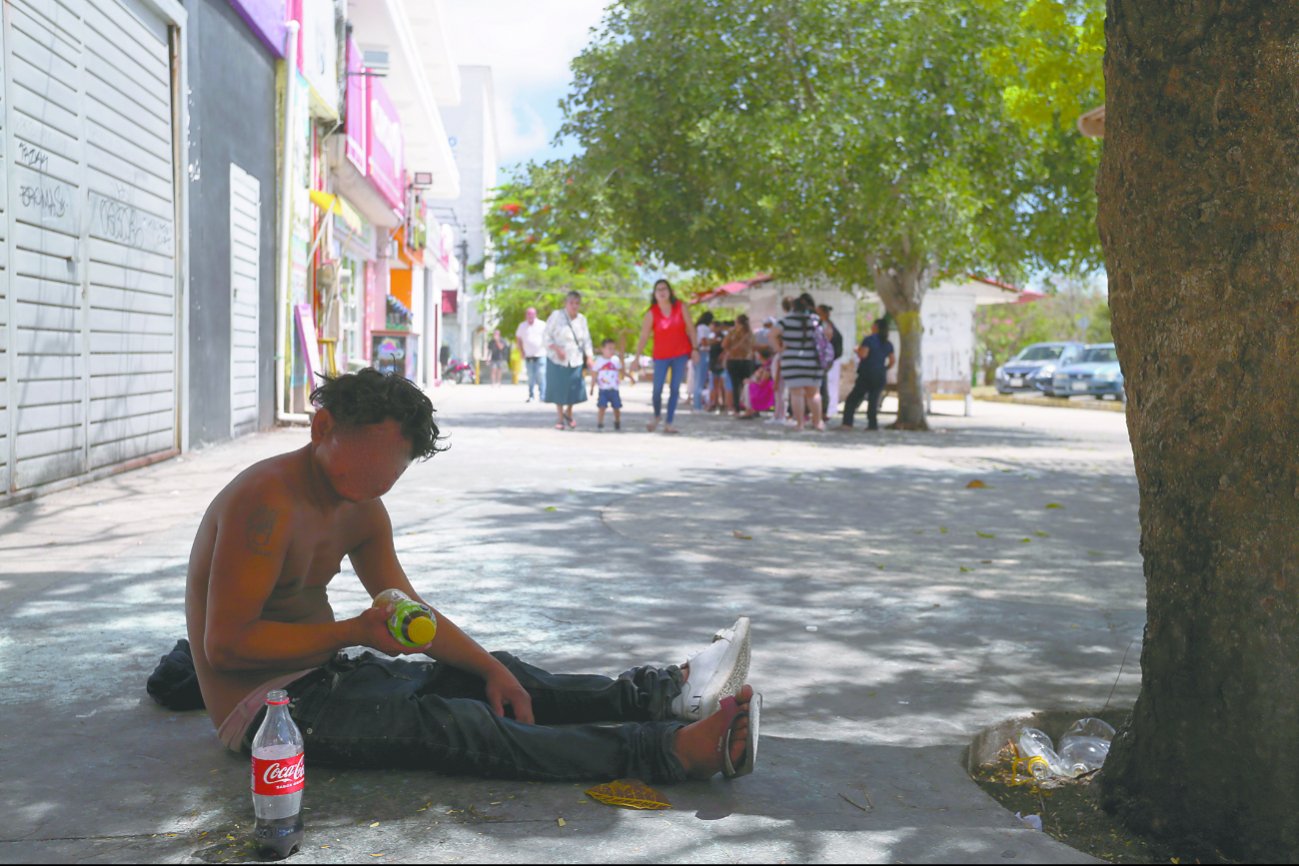
Quintana Roo, Mexico — The magnitude of alcohol consumption in Quintana Roo has ceased to be a cold statistic and become a problem that directly impacts the daily lives of thousands of families. During the 31st National Information Week Sharing Efforts, taking place from January 19 to 25, Alcoholics Anonymous (AA) and health professionals alerted to figures reflecting a growing social and human cost: seven out of every 10 traffic accidents in Cancún are related to alcohol; 82 out of every 100 suicide attempts are linked to this substance; and four out of every 10 school dropouts among adolescents are associated with abusive consumption.
Albertina Remis, one of the organizers of the event, emphasized that these data “speak of a problem that is not only measured in hospitals and statistics, but in fractured families, young people who abandon school, and people who lose their life project.”
She stated that prevention and early intervention remain the weakest links in the care system.
From a clinical perspective, psychiatrist Horacio Ponce de León explained that dual support—professional care and participation in AA groups—significantly improves periods of sobriety.
“The evidence shows fewer relapses when medical treatment is complemented with a community network. The problem is that many patients arrive late due to fear and stigma towards medications or specialized care,” he affirmed.
In the same vein, addiction psychologist María Elena Cárdenas warned that the alcohol industry and the ease of digital access represent an additional challenge for prevention.
“Today, a substance is just a message away from an Oxxo,” she expressed, adding that if emotional well-being is not strengthened at home, school, and in the community, consumption becomes an immediate outlet for distress.
The figures are reflected in personal stories. Luis Hernández, 34, in the rehabilitation process for six months, recounted that he lost his job after a traffic accident related to his consumption. “I didn’t see the damage until I was left without a job and without my family’s trust. Reaching AA was the first step to accepting that I needed help,” he shared.
For Ana Torres, a 22-year-old student, addiction meant dropping out of university. She believed she could control it but ended up isolated. “Returning to study is now my goal, but I know that without professional and group support I wouldn’t achieve it,” she said.
The impact also reaches family members. Rosa Martínez, mother of a young man in rehabilitation, described the emotional toll involved in accompanying the process.
“Not only the person who consumes suffers, the whole family suffers. We live with constant fear of a relapse or a call from the hospital,” she expressed.
Currently, AA reports 104 active groups in Quintana Roo, including seven institutional and four in correctional centers, with over a thousand members.
For this event, around 80 informational modules will be installed in 10 districts, in coordination with health authorities.
The objective, specialists and participants agree, is clear: that the figures translate into concrete actions before more stories are marked by alcohol.
Discover more from Riviera Maya News & Events
Subscribe to get the latest posts sent to your email.