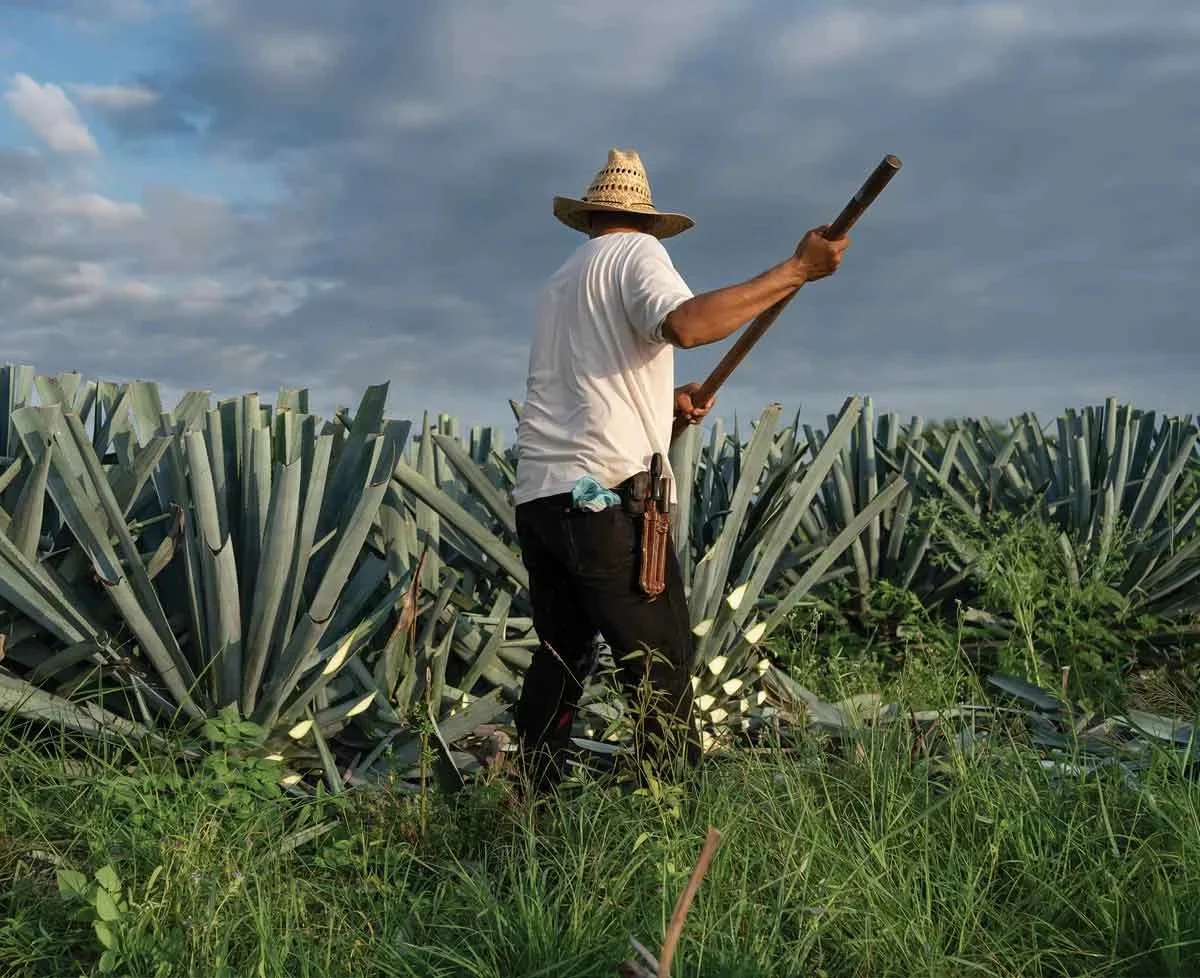
Farmers from five states, united in the newly formed National Council of Agave Producers (CNPA), have organized to strengthen their presence before authorities and markets, as well as to gain real influence over policies in the tequila production chain. They assert their role has been diminished by industrialists who monopolize up to 90 percent of the planting of the raw material and have taken over almost the entire production process.
René Beas Jiménez, founder of Barzón Agavero nearly 30 years ago and recently sworn in at the Chamber of Deputies as head of the CNPA, is clear about the ongoing struggle. The council brings together at least 45,000 families from Jalisco, Guanajuato, Nayarit, Michoacán, and Tamaulipas.
In an interview, he stated that the organization represents the legitimate interests of those who live on the land and suffer, in addition to everyday problems, the arbitrary decisions of a market intentionally saturated to drive down prices. He noted the price of a kilogram of agave fell from 35 pesos in 2022 to one peso in less than four years, which is what "coyotes" now offer producers if they do not want to lose their product. This is despite an official and agreed price of 6.58 pesos per kilo.
Seeking Limits on Industrial Planting and Addressing Market Corruption
Beas Jiménez explained they are seeking to limit the amount of blue agave that tequila producers can plant, arguing these companies self-supply up to 90 percent of their raw materials. This leads to a decline in market price and the growth of speculative intermediaries who exploit farmers. He stated the limit should be 30 percent of the raw material they consume, but industrialists do not comply. He accused the Tequila Regulatory Council (CRT), a civil association funded by tequila producers, of not enforcing this limit and acting with a clear pro-business focus that has worsened living conditions for producers.
The agave leader also cited cases of corruption in the delivery of traceability guides used to "legalize" product sold on the black market. Consequently, they will seek a legal role for the CNPA in decisions regarding the regulation of the tequila industry.
Broader Agricultural Impacts and Official Inaction
Beas Jiménez acknowledged that agribusiness in Jalisco and much of the country has displaced traditional crops like corn or beans, increasing food dependence on foreign sources. He said producers and small landowners, forced by a lack of profitability, have preferred to abandon their land or rent it to tequila producers, berry growers, or avocado growers, which deepens the problem.
He blamed authorities such as the CRT, which he said omitted information about market saturation it had known for years, and the federal Ministry of Economy and the Jalisco government for not respecting the agreed price of 6.85 pesos. This, he argued, has greatly contributed to the low value of agave and allows industrialists to set market conditions.
Legal Perspective on Traceability and Product Standards
Jesús Salazar Zazueta, lawyer for the CNPA, said traceability guides should be the responsibility of the producers themselves. This would relieve pressure on the sector by allowing the sale of harvests in markets outside the tequila industry. These guides are currently provided by the CRT but can be obtained on the black market at costs close to 80,000 pesos.
The legal representative stated the agave price crisis is also due to the allowance that "100 percent agave tequila" need only contain 51 percent derived from the distillation of the plant. He said this shortfall has been compensated for with additives, to the detriment of the product's consumption.
Discover more from Riviera Maya News & Events
Subscribe to get the latest posts sent to your email.