Cancún, Q. Roo. — The Yucatán Peninsula, one of the most biologically diverse regions in the country and home to one of the most extensive networks of Protected Natural Areas (ANP) in Mexico, could add new conservation spaces in 2026 thanks to a budget increase allocated to the National Commission of Protected Natural Areas (Conanp).
The announcement opens the door to strengthening the protection of essential ecosystems such as cenotes and underground rivers, pillars of the natural heritage and water supply in the area.
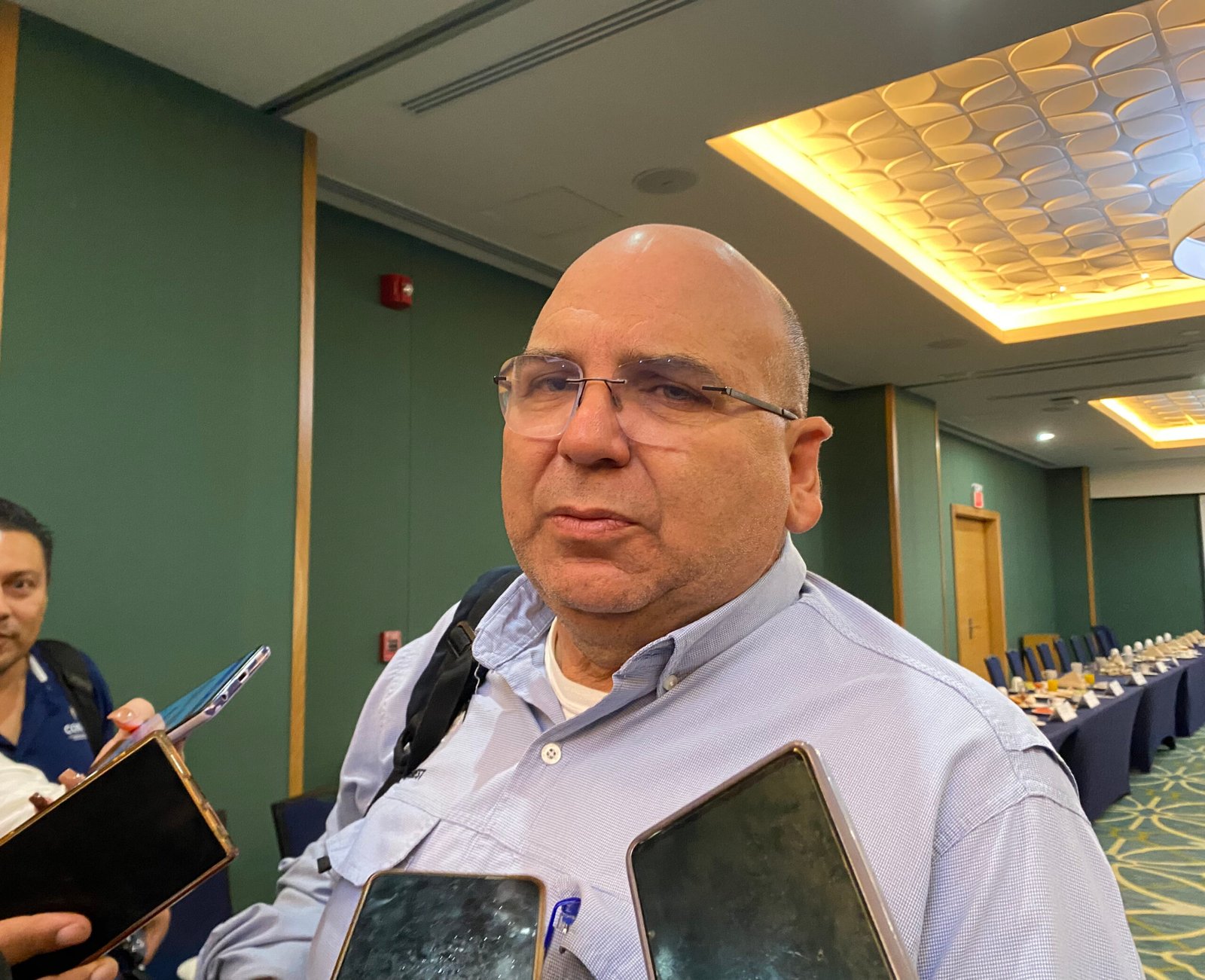
The regional director of the Yucatán Peninsula and Caribbean Sea for Conanp, Juan Carlos Romero Gil, highlighted that the budget expansion — one of the most significant in recent years — will allocate an additional 500 million pesos to operations, equipment, subsidies, and personnel. These resources will allow for the reinforcement of environmental management and progress in technical and social studies to decree new Protected Natural Areas in the region.
‘This increase was achieved through the management of the Secretariat (of Natural Resources) in the Chamber of Deputies. It is a decisive boost to strengthen conservation and to analyze with greater depth the creation of new protected spaces, which we seek to include cenotes and underground rivers,’ stated Romero Gil.
Furthermore, Conanp has begun consultation processes with local communities, landowners, and key regional actors to ensure that any decree complies with the law and has social backing.
Regional Conservation Context
Comprising Campeche, Yucatán, and Quintana Roo, the Yucatán Peninsula concentrates one of the largest extents of ANP in the country. In the Caribbean–Yucatán region alone, 39 protected areas are grouped, several with international recognition.
In Quintana Roo, the Sian Ka’an Biosphere Reserve stands out, declared a World Heritage Site by UNESCO in 1987. Its more than 500,000 hectares safeguard mangroves, jungles, wetlands, coastal dunes, and an important system of underground rivers linked to cenotes and petenes. Its ecological and cultural value has made it a global conservation reference.
Yucatán, for its part, has nine state ANPs covering approximately 14% of its territory, protecting wetlands, mangroves, and karst zones highly vulnerable to human pressure.
Despite this, specialists warn that protection gaps persist, especially in underground hydrological ecosystems, essential for aquifer recharge and the unique biodiversity they harbor.
Cenotes and Underground Rivers: A Vital System at Risk
The Yucatán Peninsula possesses the most extensive network of underground rivers in the world and thousands of cenotes that function as windows to the aquifer. These bodies of water are not only a source of supply for the population but also fragile habitats where endemic species and highly sensitive ecosystems live.
Nevertheless, many of these systems still lack an environmental protection instrument, exposing them to pollution, urban expansion, unregulated tourism, and biodiversity loss.
Therefore, the possible incorporation of cenotes and underground rivers into the ANP system is seen as an opportunity to ensure their long-term conservation, regulate their public use, and restore affected areas, always in collaboration with local communities.
The Challenge: Harmonizing Conservation with Social Realities
Romero Gil recalled that the creation of an ANP requires formal consultation and dialogue processes with inhabitants, ejidos, private owners, and municipal authorities. The objective is to prevent legal conflicts and guarantee that decisions have social backing, an indispensable requirement for the success of any conservation project.
If consolidated, the new protected areas would represent a substantial advance to expand the conservation network on the peninsula and reinforce the protection of ecosystems essential for life in the region.
Discover more from Riviera Maya News & Events
Subscribe to get the latest posts sent to your email.