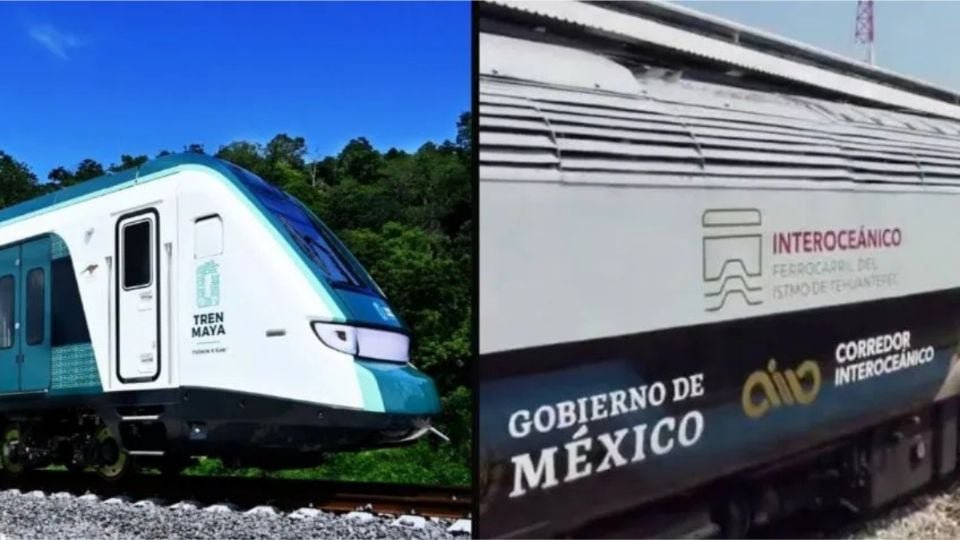
Tren Interoceánico: Protocols and Systems in Operation
The accident that occurred on December 28, 2025 near the community of Nizanda, Oaxaca, immediately activated attention and coordination mechanisms between federal agencies, state authorities, and emergency services.
The Tren Interoceánico was inaugurated just a few months ago and maintains the following safety measures:
- Preventive track and operation inspections: Before each departure, the Tren Interoceánico deploys a specialized Hi-Rail vehicle—capable of traveling on both roads and rails—to check the condition of the tracks approximately one and a half hours before the train passes. In the case of the recent accident, naval authorities confirmed that no anomalies in the infrastructure were detected during this inspection.
- Operation recording and technical analysis: Each locomotive has an electronic event recorder, similar to a “black box,” which stores data on speed, braking, and other operational parameters. This equipment is currently under chain of custody to support the investigation led by the Secretariat of the Navy (Semar) and the Attorney General’s Office (FGR).
- Contingency plan and interinstitutional coordination: Following the accident, an emergency plan was activated with participation from Semar, IMSS-Bienestar, Sedena, the Red Cross, and state authorities for the transport and care of the injured. Insurance policies covering accidental death, disability, funeral expenses, and medical care for passengers and train personnel have also been secured.
Despite the accident, the Tren Interoceánico operates under prior verification protocols and recording systems designed to ensure operational safety. However, the accident has reignited debate about the sufficiency of these mechanisms and the need to reinforce them with additional technologies and stricter supervision.
Tren Maya: Security Systems and Continuous Surveillance
The Tren Maya, in operation since 2025, also has a set of measures aimed at ensuring comprehensive safety during passenger service:
- Surveillance and presence of public forces: The Tren Maya infrastructure includes surveillance cameras, security personnel, and presence of National Guard elements both at stations and on some trains, supported by aerial monitoring systems on specific sections.
- Access control and detection systems: Tren Maya stations have controlled access points, metal detector arches, X-ray tunnels, and trained personnel for passenger and baggage screening, as well as emergency procedures in case of incidents.
- Comprehensive security plan: In addition to physical surveillance, a comprehensive security plan has been designed along the entire route, including barracks and strategic deployment of the National Guard to strengthen protection for passengers and railway infrastructure.
- Operational emergency protocols: In minor events, such as the derailment of a car at stations (for example in Izamal, Yucatán, in 2025), the protocol activated automatic braking, safe evacuation, and passenger care without reporting serious injuries, demonstrating immediate response capability to technical failures or minor incidents.
Although the Tren Maya operates with surveillance systems and trained security personnel, critics point to the need to continue with technological improvements and supervision to prevent operational incidents and maintain user confidence.
Discover more from Riviera Maya News & Events
Subscribe to get the latest posts sent to your email.