Cancún, Quintana Roo — Quintana Roo is preparing for the 2026 World Cup with strategic security actions.
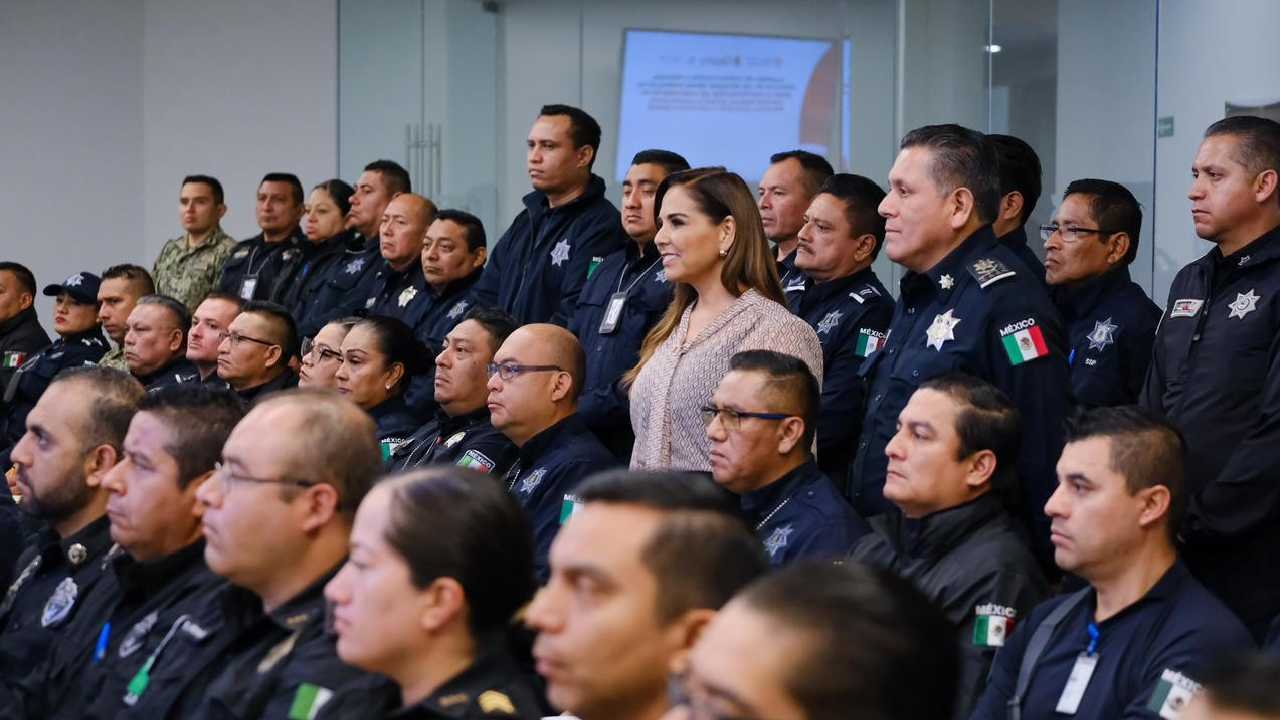
Governor Mara Lezama Espinosa led the closing ceremony of a specialized training session on identifying non-conventional components at the C5 complex in Cancún, as part of institutional strengthening ahead of the planet’s most important sporting event.
Strategic Security for the 2026 World Cup
The governor emphasized that the state is not improvising and is working in coordination with the federal government, armed forces, and national security authorities, considering that Cancún will be one of the main entry points for the 2026 World Cup, thanks to its air connectivity with host cities.
The training aimed to reinforce operational capabilities to prevent and address high-impact risks, ensuring optimal conditions before, during, and after the international tournament.
What Does the Specialized Training Include?
The course focused on the identification and response to QRBNE threats, which encompass:
- Chemical Risks
- Radiological Incidents
- Biological Threats
- Nuclear Materials
- Explosive Devices
National Coordination and Regional Impact
Security corporations from the host states of the 2026 World Cup participated in the training:
- Mexico City
- State of Mexico
- Jalisco
- Puebla
- Veracruz
- Morelos
- Quintana Roo
The strategy is framed within the Kukulkán Plan and the State Interinstitutional Security Strategy, consolidating Quintana Roo as a key point for logistics, protection, and visitor services during the 2026 FIFA World Cup.
“Training for Operational Personnel from World Cup Host States on the Identification of Conventional Chemical, Radiological, Biological, Nuclear, and Explosive Components (QRBNE)”
Discover more from Riviera Maya News & Events
Subscribe to get the latest posts sent to your email.