Chetumal, Quintana Roo — State lawmakers in Quintana Roo have introduced a bill to regulate the use of images manipulated by artificial intelligence, a move critics say could stifle satire and criticism of public officials.
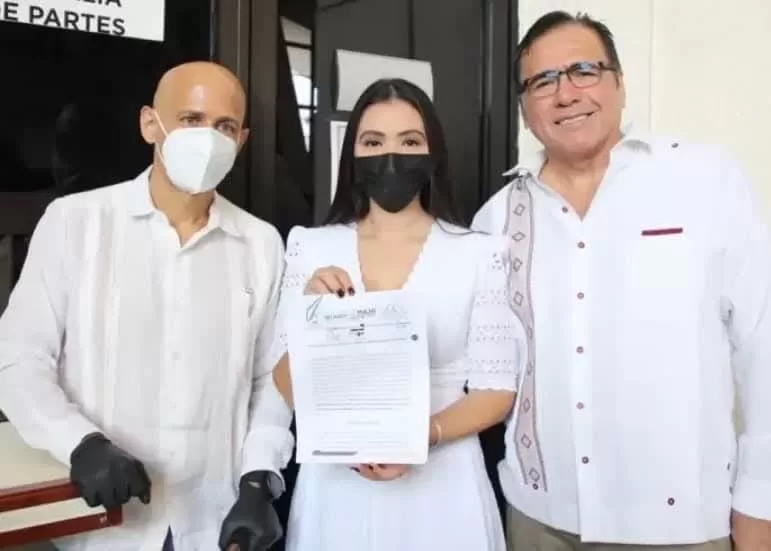
The initiative, presented by deputies María José Osorio Rosas, Ricardo Velazco Rodríguez, and Hugo Alday Nieto, seeks to amend the Quintana Roo Civil Code to establish legal mechanisms for sanctioning the unauthorized use or alteration of a person’s image through AI tools. While proponents argue it aims to protect individuals from digital impersonation, manipulation, and false content that could harm reputations, opponents contend it goes beyond addressing technological advances and could effectively censor the publication of images depicting officials’ public missteps.
If approved, the law would prohibit capturing, reproducing, publishing, or disseminating a person’s image without consent, particularly on social media, with public officials seen as the primary beneficiaries. The proposal specifically mentions preventing the creation of “satire” and “drawings with their images” when officials make public errors.
The bill proposes adding a new Chapter IV Bis to the First Title of the First Book of the state’s Civil Code, with several key objectives:
- Recognizing image as an attribute of personality, alongside name, marital status, and domicile.
- Protecting the right to decide on the capture, reproduction, publication, or dissemination of one’s image.
- Establishing civil liability for unauthorized or abusive use of images.
- Setting exceptions for legitimate cases involving public interest, informational, artistic, or scientific purposes.
- Strengthening protections for children and adolescents in line with the principle of the best interests of the child.
- Extending safeguards to the digital realm, where violations of image rights are more frequent and immediate.
The lawmakers behind the initiative noted that similar regulations already exist in the states of Mexico, Jalisco, Nuevo León, and Tlaxcala, and the Morena-PT-PVEM coalition aims to implement them in Quintana Roo. They argue the reform would harmonize local legislation with national and international standards, promote responsible digital media use, and provide victims with civil remedies like content removal or moral damage compensation.
However, the proposal has sparked public debate over its scope and potential implications for digital expression and journalism, with concerns that it could limit critical discourse under the guise of protecting image rights.
Discover more from Riviera Maya News & Events
Subscribe to get the latest posts sent to your email.