Morocoy, Quintana Roo — Following the suspension of hearings scheduled in September and November of last year, the Ejido Morocoy expects that the key hearing within the lawsuit filed against the National Institute of Anthropology and History (INAH) will take place on February 26, where they trust they will obtain a favorable ruling for the payment of compensation close to 300 million pesos.
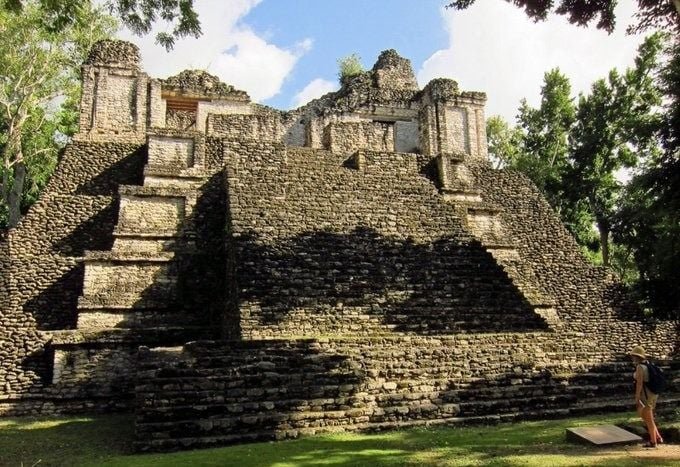
The controversy stems from the expropriation of more than 300 hectares of the ejidal nucleus, where the archaeological zones of Dzibanché, Kinichná, and the Lamay Group are located. According to the ejidatarios, the procedure was carried out without complying with legal requirements, as there was no presence of a public notary in the assemblies, which is why a nullity lawsuit was filed.
The ejido maintains that, for more than five decades, the corresponding payment for these lands has not been covered, despite them being used permanently for the operation and conservation of the archaeological sites. The farmers’ demand is compensation of one million pesos per hectare, considering it a historical debt.
The February 26 hearing will be the third within this process, and the ejidatarios consider that there are favorable conditions for a resolution, due to the conduct of the Agrarian Unitary Court Number 44 based in Chetumal, where the extensive presentation of arguments from both parties has been allowed.
The Ejido Morocoy was constituted in September 1970 and is located about 54 kilometers from Chetumal. It is made up of 271 ejidatarios and has a total area close to six thousand hectares, formally delimited at the beginning of the eighties, within which the disputed archaeological remains are found.
The ejidatarios have reiterated that the lawsuit does not respond to a conflict with INAH or other authorities, but to the defense of their communal heritage. Likewise, they have expressed their willingness for the archaeological zones to continue operating and be strengthened as a tourist attraction, provided that the expropriation carried out is legally and economically recognized.
If resolved in favor of the ejido, the ruling would set a relevant precedent in matters of agrarian compensation and would put an end to litigation that has lasted for more than half a century.
Discover more from Riviera Maya News & Events
Subscribe to get the latest posts sent to your email.