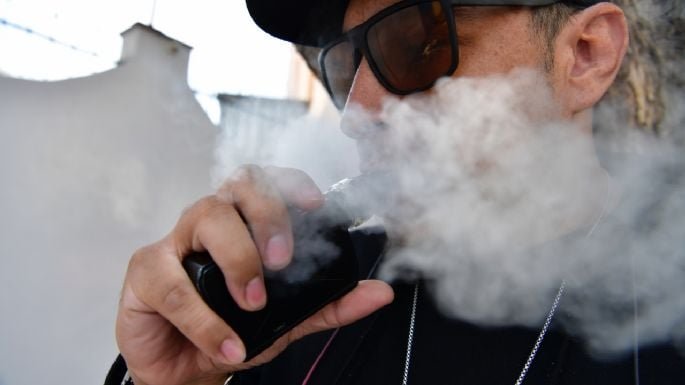
Mexico City — The Health Commission of the Chamber of Deputies has approved a controversial reform to the General Health Law that imposes prison sentences of one to eight years for the preparation, conservation, production, manufacturing, mixing, packaging, handling, transportation, storage, import, export, trade, distribution, and sale of electronic cigarettes and vapes in Mexico.
But a single word in the reform set off immediate alarms: Article 282 Quater prohibits the “acquisition” of these devices throughout the national territory, a clause that—if approved in its current form—would technically criminalize consumers themselves. Even lawmakers in the ruling coalition acknowledged the wording as a legislative error that must be corrected before the full vote.
The initiative passed the Health Commission with 27 votes in favor, eight against, and one abstention. It also includes a total ban on advertising for electronic cigarettes, vapes, and similar devices across all platforms, including print, digital, television, and radio.
Those who manufacture, mix, transport, store, import, export, distribute, or sell electronic cigarettes would also face steep economic penalties ranging from 100 to 2,000 times the daily value of the Unidad de Medida y Actualización (UMA)—a fine that could reach more than $217,000 pesos, depending on the final calculation.
Critics: “This reform criminalizes consumers.”
The strongest objections came from Movimiento Ciudadano deputy Juan Zavala, who warned that the current wording could send ordinary users to prison.
He emphasized that the reform does not specify “commercial acquisition,” meaning it would technically punish anyone who simply buys or possesses a vape:
“The law says anyone who acquires. That carries one to eight years in prison. I repeat: one to eight years for anyone who acquires a vape or electronic cigarette.”
Lawmakers from the PT and Morena—the very parties promoting the reform—also took issue with the text. PT deputy Martha Aracely Cruz, secretary of the Health Commission, called the penalties “punitive and excessive,” even while expressing support for restricting vape sales due to health concerns.
Fellow PT deputy Margarita García García announced she would file a reservation to amend the language, warning that lawmakers should not “shoot ourselves in the foot” by unintentionally criminalizing users rather than suppliers.
Background: Mexico’s evolving stance on vaping
Mexico already maintains one of the most restrictive regulatory frameworks in the Americas:
- Since 2022, the federal government has prohibited the sale and importation of vapes and e-cigarettes through presidential decree.
- In 2023 and 2024, Cofepris seized thousands of illegal devices and launched national campaigns warning of health risks.
- Despite the ban, Mexico remains one of the largest black markets for vapes in Latin America, according to research by the Pan American Health Organization.
Supporters of the reform argue that harsher penalties are necessary to combat a fast-growing illegal trade, especially among minors. Critics contend that blanket prohibition has already driven the industry underground and that criminalizing consumers could worsen the problem.
What comes next?
The reform now advances to the full Chamber of Deputies, where legislators are expected to revise the wording of Article 282 Quater to specify commercial acquisition or distribution, rather than personal possession.
Until that clarification is made, lawmakers from across the political spectrum warn that the proposal remains vulnerable to misinterpretation—and potential abuses.
Discover more from Riviera Maya News & Events
Subscribe to get the latest posts sent to your email.