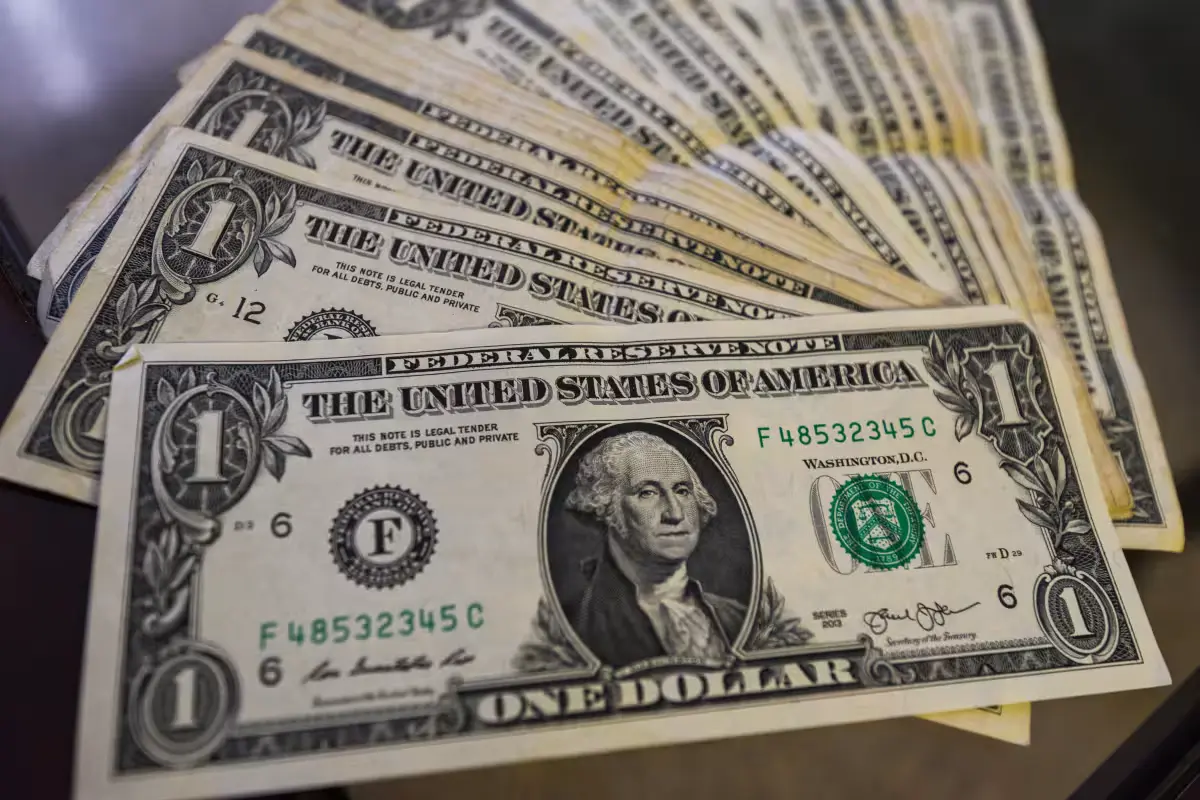
Mexico City — The Mexican peso recorded its worst drop in months against the US dollar on Saturday, March 14, 2026, trading at 17.95 pesos per dollar according to the Bank of Mexico and the Official Gazette of the Federation. The currency closed at 17.94 pesos on Friday, marking a significant decline over the past 24 hours.
The exchange rate varies across different banks and financial institutions. At sale, the US currency trades at 17.95 pesos, though in some areas it reaches 18.54 pesos, while purchase rates can be as low as 15.70 pesos.
Bank Exchange Rates
Major Mexican banks offered the following rates on Saturday:
- Afirme: 16.90 (buy) – 18.40 (sell)
- Banorte: 16.70 – 18.30
- BBVA: 16.95 – 18.48
- Banamex: 17.39 – 18.38
- HSBC: 16.88 – 17.61
- Santander: 16.85 – 17.85
- Scotiabank: 15.70 – 19.30
- Banco Azteca: 16.50 – 18.54
Yucatan Peninsula Rates
In the Yucatan Peninsula states of Campeche, Quintana Roo, and Yucatan, the dollar sells for the same 17.95 peso rate as the rest of Mexico. However, purchase rates at currency exchange houses and airports in major peninsula cities may vary, with officials recommending consumers compare rates before trading.
Latin American Exchange Rates
Across Latin America, the US dollar traded at the following rates against local currencies:
- Argentina: 1,389.25 pesos
- Belize: 2 Belize dollars
- Bolivia: 6.89 bolivianos
- Brazil: 5.32 reals
- Chile: 918 pesos
- Colombia: 3,696.10 pesos
- Costa Rica: 470.72 colones
- Guatemala: 7.66 quetzales
- Peru: 3.46 soles
- Venezuela: 442.71 bolivares
Venezuela remains the Latin American country most affected by fluctuations in the foreign currency.
Factors Affecting Mexico’s Exchange Rate
The peso-dollar exchange rate in Mexico depends primarily on three factors: interest rate increases by the US Federal Reserve, which cause exchange rate volatility; oil prices, which affect the peso’s stability since many commercial products depend on the natural resource; and tax calendar deadlines, which can increase demand for dollars as individuals and businesses meet tax obligations.
Discover more from Riviera Maya News & Events
Subscribe to get the latest posts sent to your email.