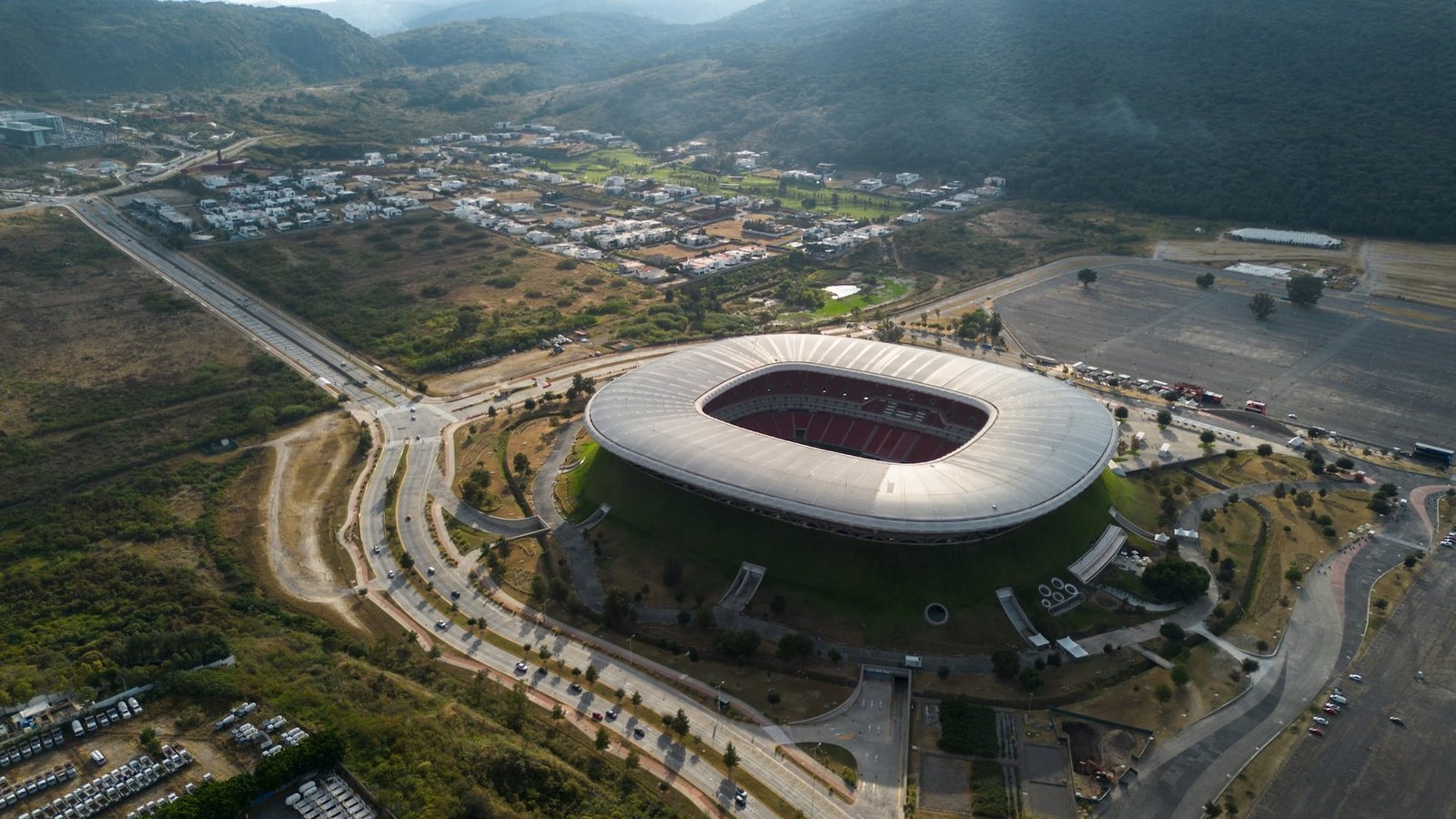
Guadalajara, Jalisco — Recent violence in Jalisco has intensified scrutiny of Guadalajara’s capacity to host the 2026 FIFA World Cup, raising questions about security strategies and risk perception for global events. The situation demands a coordinated and robust response to safeguard the tournament’s integrity.
How Security Perception Impacts Global Event Viability
Security perception critically influences the viability and success of large-scale international events like the FIFA World Cup. Incidents of violence, such as those recorded in Jalisco, can erode confidence among international participants, spectators, and sponsors, potentially affecting tourist influx and the host country’s image. Technical analysis indicates regional instability may deter investment and participation, forcing organizing committees to reevaluate and strengthen contingency plans. Evidence reveals a city’s reputation as a safe destination is as crucial as its sports infrastructure for hosting events of this magnitude.
Risk Mitigation Strategies for Host Cities Facing Security Challenges
When World Cup host cities face security challenges, risk mitigation protocols activate beyond routine surveillance. Tests demonstrate these strategies include deploying additional security forces, implementing advanced technology for monitoring and predictive intelligence, and creating secure corridors for transporting delegations and fans. Real-world implementations confirm interinstitutional collaboration between local, federal, and international authorities is fundamental to establishing a robust security perimeter. Additionally, strategic communication campaigns develop to manage public narrative and restore confidence, emphasizing proactive measures taken to ensure safety for all event participants.
Role of FIFA and Organizing Committees Amid Regional Instability
The role of FIFA and local organizing committees is crucial in managing scenarios of regional instability that could affect a World Cup host city. These entities are expected to conduct continuous and exhaustive risk assessments, working closely with government security agencies to develop comprehensive and adaptive security plans. Data confirms FIFA exercises rigorous oversight over host cities’ security commitments, demanding guarantees and detailed plans addressing any potential threats. In cases of escalating violence, contingency plans may activate, potentially including logistical adjustments or, in extreme situations, reevaluating the host city—though this last-resort measure aims to avoid through impeccable security planning and execution.
Discover more from Riviera Maya News & Events
Subscribe to get the latest posts sent to your email.