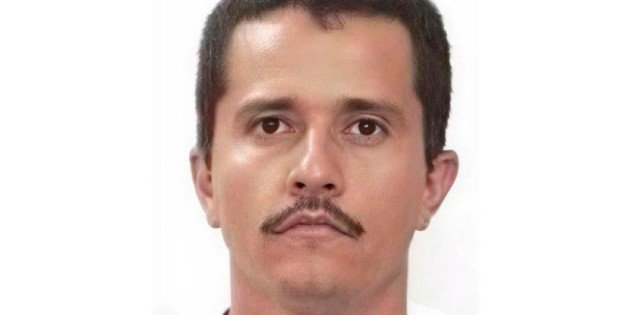
Mexico City — The capture and death of Nemesio Oseguera Cervantes, known as “El Mencho,” leader of the Jalisco New Generation Cartel, marks a turning point in Mexico’s national security policy and signals a decisive shift toward direct confrontation with organized crime structures.
Security experts agree the operation constitutes the most significant blow against a criminal leader in Mexico this century. Francisco Jiménez Reynoso, head of Security Coordination Liaison at the University of Guadalajara, said the outcome confirms the federal strategy is appropriate, though it requires strengthening. “This is an unprecedented event. We haven’t seen an action of this magnitude, and the consequences are evident.” He believes international pressure, particularly from the United States, accelerated tactical and operational adjustments within the Mexican government, which refined its strategy to execute the operation.
However, he warned that the capo’s death could open a period of internal instability within the cartel. The absence of undisputed leadership could lead to fractures, territorial control disputes, and additional violence.
Rubén Ortega Montes, a specialist in justice administration at the University Center of La Ciénega, considered the operation evidence of a radical change from the previous “hugs, not bullets” policy and confirms the decision to engage in frontal combat against priority targets. “We can compare this event with the fall of Pablo Escobar in Colombia. This is direct state action against a key figure to dismantle a criminal organization.” He noted the operation was executed with federal coordination and without notifying state or municipal authorities to prevent leaks.
The deployment included special forces from the Mexican Army and National Guard, which, according to Ortega, demonstrates logistics based on solid intelligence and strategic planning. He added that state authorities’ activation of a Code Red was appropriate to reduce risks to the population following subsequent blockades and confrontations.
For Arturo Villarreal Palos, an academic at the University of Guadalajara, El Mencho’s fall compares with the deaths of figures like Amado Carrillo Fuentes or Ignacio “Nacho” Coronel. “This is the most relevant target for the Mexican government and U.S. authorities in recent years.”
However, he qualified that the event alone does not constitute a definitive turning point in the country’s security crisis. The magnitude of the violent reaction reveals the operational capacity the organization still maintains.
The cartel maintains presence across much of national territory and international operations linked to synthetic drug trafficking, extortion, and other high-impact crimes. Therefore, analysts warn the real challenge begins now: preventing the group’s reorganization under new leadership and capitalizing on the moment to weaken its financial, logistical, and institutional corruption structures.
The Blow and Successors
- El Mencho’s death represents the Mexican state’s most significant blow against organized crime since the capture of Joaquín “El Chapo” Guzmán a decade ago.
- Doubts persist about the real consequences of his fall. Analysts warn the capo’s disappearance won’t necessarily reduce violence and could trigger internal disputes for cartel control, escalated attacks against authorities, or indiscriminate actions against civilians.
- Under his command, the cartel adopted a paramilitary structure and carried out high-profile attacks, including shooting down a military helicopter in 2015 and the 2020 assassination attempt against Mexico City police chief Omar García Harfuch. The group also innovated with armed drones and explosives, operating through criminal franchise schemes and forced recruitment networks.
- Following El Mencho’s death, the cartel faces internal realignment with several figures mentioned as possible successors: Juan Carlos Valencia González, alias “El 03,” El Mencho’s stepson and natural successor, for whom the DEA offers up to $5 million reward; Audias Flores Silva, “El Jardinero,” considered a key regional operator; Érick Valencia Salazar, “El 85,” a founding member with influence in old alliances; and Ricardo Ruiz Velasco, “El Doble R,” linked to armed cells.
Discover more from Riviera Maya News & Events
Subscribe to get the latest posts sent to your email.