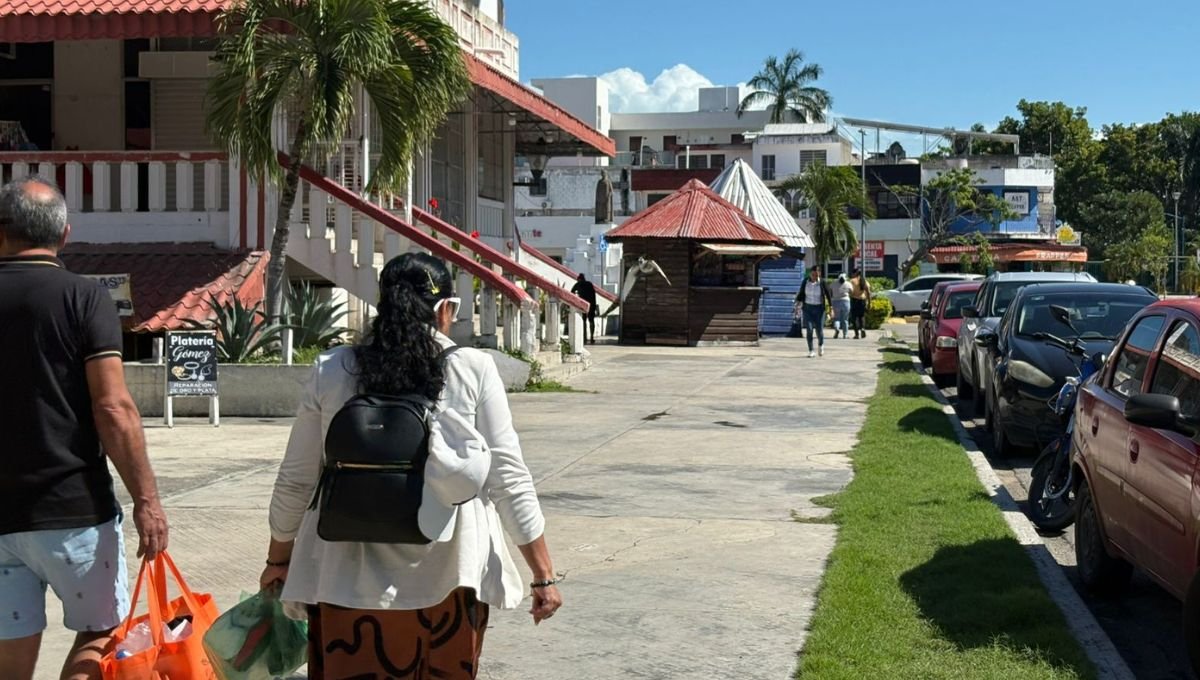
Along Efraín Aguilar Avenue in the Manuel Ignacio Altamirano Old Market of Chetumal, approximately 15 sex workers live “day to day” on the limited income they earn, which does not exceed 500 pesos daily.
More than half of the sex workers indicated they are not from the capital of Quintana Roo. They mentioned that about 4 women are from Chetumal, while the others are originally from other parts of Othón P. Blanco, as well as from other Mexican states.
However, they estimate that in Chetumal more than 90 women are engaged in sex work.
The sex workers stated they do not have social security, as the occupation they are dedicated to does not allow them access to the basic right to healthcare.
They also mentioned they have no support from the State Government, nor from the agencies responsible for women’s rights in Quintana Roo. They even indicated they are unaware of which ones exist in Chetumal and who is in charge.
One of the interviewees, who preferred to remain anonymous, said the aforementioned spot in the Old Market is not a definitive zone for them, as many sex workers move from one place to another in search of clients, especially at night.
She mentioned she has been working on Efraín Aguilar Avenue for about 2 years. However, she asserted that the place has been inhabited by sex workers for more than two decades, before she settled there.
She also recognized Veracruz Road and Héroes Avenues as other meeting points for sex workers.
She stated she is originally from Champotón, Campeche, where she had a sad and precarious childhood that did not allow her to achieve a high level of education.
Previously, she had been dedicated to domestic cleaning and cooking, but she abandoned those occupations because the pay was little and the workday very tiring.
Another of the sex workers mentioned she is from the town of Santa Elena, south of Chetumal.
She revealed that among the most frequent clients are men between 40 and 60 years of age.
She mentioned that the occupation they are dedicated to exposes them to sexually transmitted diseases and machista violence, however, with the little information they have, they find a way to protect themselves.
They maintain a reserved, hermetic life, and are recognized as sex workers by their clients due to the place where they remain during the day.
Although she asserted that so far no woman has died while practicing sex work, she mentioned that these women seem condemned to a life full of precariousness and abuse, as they are invisible to society and simple objects in the masculine gaze.
Discover more from Riviera Maya News & Events
Subscribe to get the latest posts sent to your email.