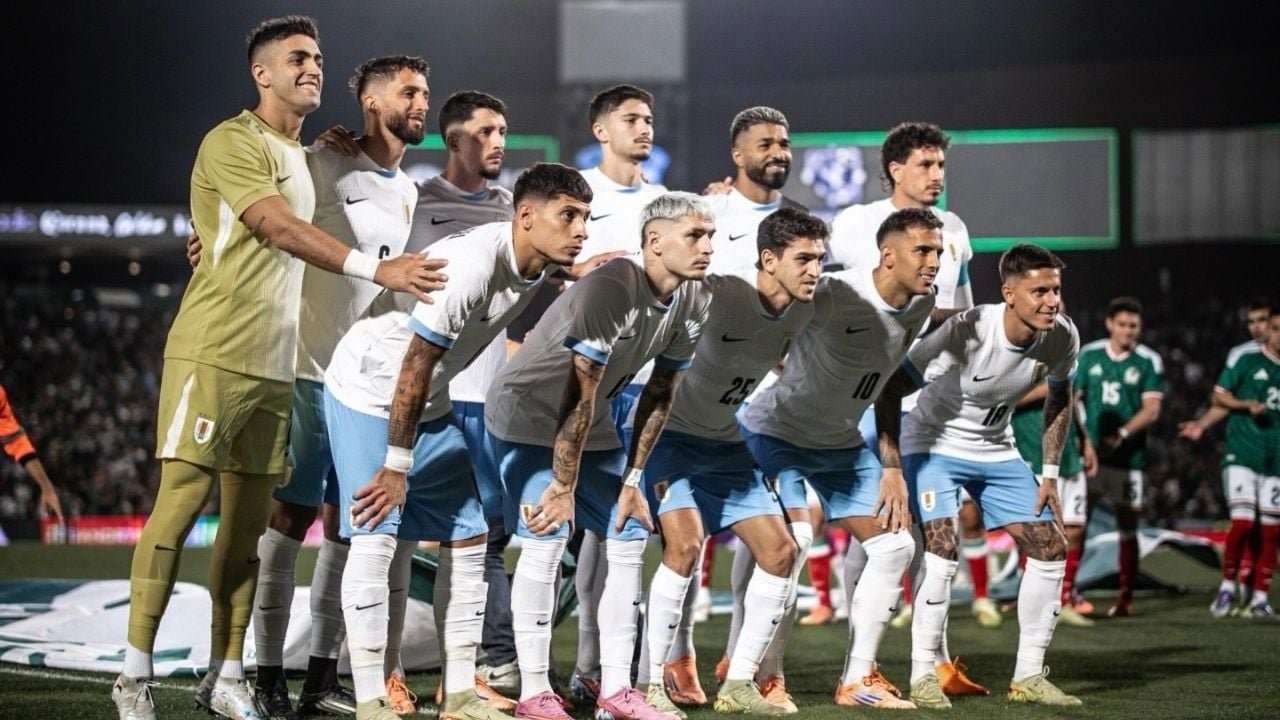
Playa del Carmen, Quintana Roo — State and federal authorities have deployed a comprehensive security strategy, including the activation of Plan Kukulkán and enhanced surveillance at Cancún’s C5 command center, to protect the Uruguay national football team and tourists during the 2026 World Cup. The team, known as La Celeste, will base its pre-tournament training camp at the Fairmont Mayakoba hotel in this Riviera Maya resort city.
The two-time world champions (1930 and 1950) selected Playa del Carmen as their training center ahead of matches in the United States and Mexico. The World Cup begins on June 11, 2026. While the announcement has generated excitement for the potential economic boost, the team will be largely isolated in a high-security environment at one of the region’s most luxurious hotels, which has provided a dedicated football field for training.
Security Preparations and Challenges
Quintana Roo has transformed from a tranquil tourist destination to an area experiencing armed attacks that have claimed tourists’ lives in recent years. To mitigate risks for the Uruguayan squad and the influx of visitors traveling from the state to World Cup venues, authorities concluded specialized training under Plan Kukulkán and the State Interinstitutional Security Strategy on January 29. The training involved Quintana Roo state police and officers from other entities involved in hosting the tournament, conducted at Cancún’s technologically advanced C5 center.
“We are integrated within the World Cup host cities… we will have more equipment to ensure everything is contained during this sporting event,” Quintana Roo Governor Mara Lezama Espinosa said on February 3, confirming Uruguay’s presence. “We will continue reinforcing security in the state for the tournament.”
Although the state has seen a significant drop in violent firearm homicides—from 432 incidents in 2023 to 184 in 2025—the highest incidence occurs precisely in Cancún and Playa del Carmen, according to the National Public Security System’s Executive Secretariat. These statistics, combined with homicides during electronic music festivals in Tulum earlier this year, create uncertainty among business owners. They view Uruguay’s arrival as a tourism hook to avoid a disastrous summer season, similar to 2025 when hotel occupancy in Tulum plummeted after failing to reach forecasted levels above 80%.
“FIFA dictates the conditions for teams to choose their accommodation structures, so Uruguay’s decision adds very important recognition to these efforts,” said Andrea Lotito, vice president of the Riviera Maya Hotel Association. “The sporting event could finally extend high-season results into the summer months and act as a long-term promotion tool.”
Controversial Hotel History
The training camp is located about five kilometers from Playa del Carmen’s municipal seat, near populated neighborhoods like La Guadalupana and Petén, as well as other exclusive hotels like Grand Velas, facing the turquoise waters of the Caribbean Sea.
The Fairmont Mayakoba has a controversial past. Spanish construction company OHL, which later faced allegations of corruption ties to former President Enrique Peña Nieto’s administration, obtained environmental impact permits from the Environment and Natural Resources Secretariat (Semarnat) in 1998 during Ernesto Zedillo’s presidency. The project covered approximately 140 hectares. At the time, reforms requiring public disclosure of coastal ecosystem environmental studies were not in effect, and the permit conditions remain unclear. Searches in Semarnat’s Sigeia system show no trace of these authorizations, though local reports at the time alleged protected mangrove clearing for the project.
In July 2015, Proceso published audio recordings allegedly involving OHL México executives in corrupt acts. The recordings mentioned the Fairmont Mayakoba and implicated Gerardo Ruiz Esparza, Peña Nieto’s communications and transportation secretary, suggesting OHL paid for his vacations at the hotel in exchange for contracts. OHL sold its stakes in the Mayakoba project in 2018, but the infrastructure it left behind attracted FIFA as a potential World Cup team base camp.
Initially, Portugal’s national team, led by star Cristiano Ronaldo, was rumored to choose this location, but Uruguay ultimately selected it. FIFA’s brochure for the Mayakoba Cancún Training Center (actually in Playa del Carmen) highlights the Fairmont Mayakoba’s connectivity—35 minutes from Cancún International Airport and flights under two and a half hours to Uruguay’s match venues, mostly in the United States. It also notes the state’s four airports and the Maya Train project.
The Uruguayan team is expected to arrive in late May or early June. They will make at least three transfers via Cancún’s airport: facing Saudi Arabia at Miami’s Hard Rock Stadium on June 15, playing Cape Verde in Miami on June 21, and meeting Spain in Guadalajara on June 26.
Discover more from Riviera Maya News & Events
Subscribe to get the latest posts sent to your email.